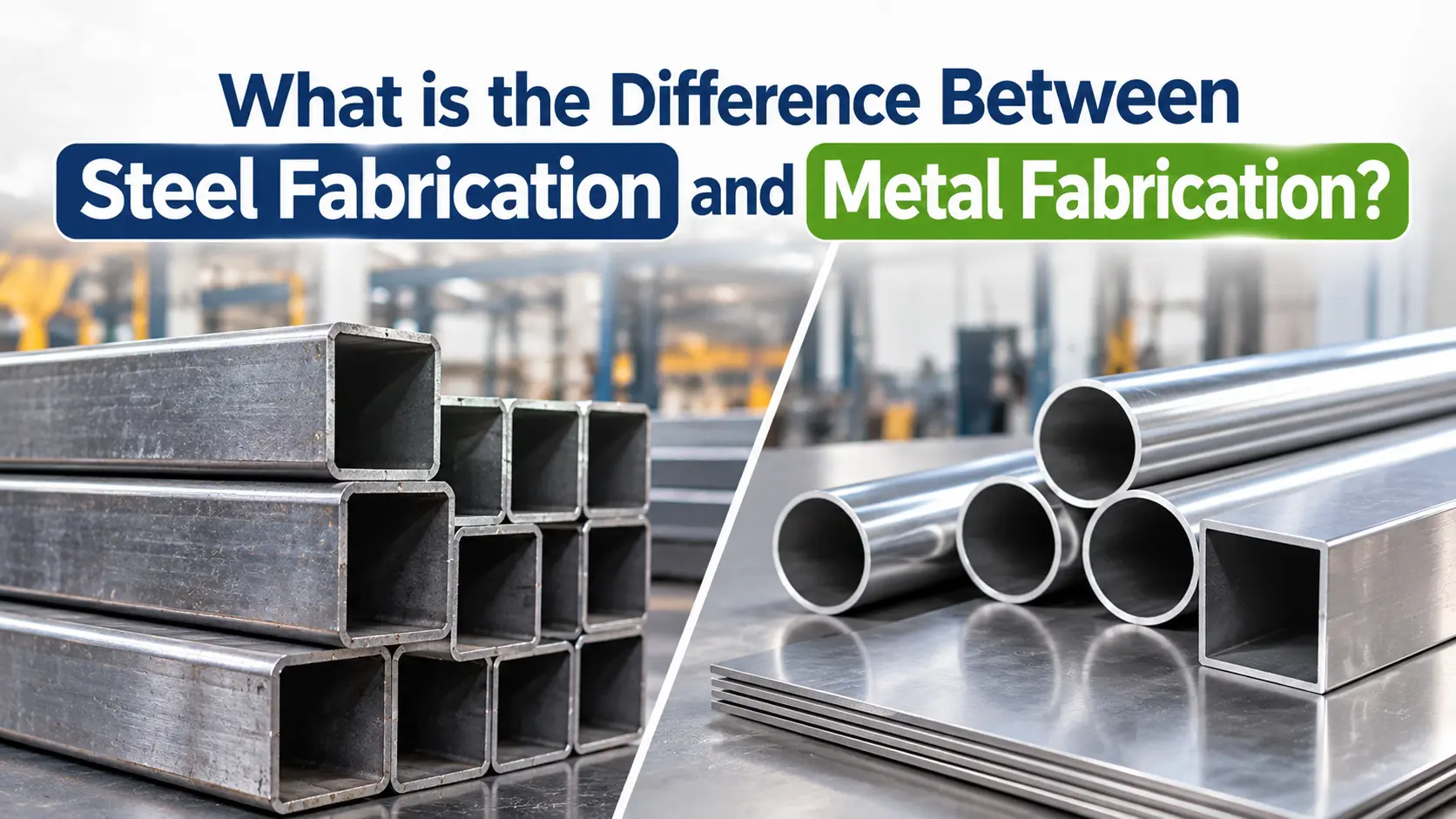
The terms steel fabrication and metal fabrication often appear in construction, manufacturing, and repair work. They sound similar, so it can be hard to know what each one means. The main difference is simple: steel is one type of metal, while metal fabrication can involve many types. That means steel fabrication is part of the wider field of metal fabrication.
The distinction matters when choosing a material for a project. Steel may suit a strong frame, while aluminum may work better when low weight matters. Stainless steel may weld to damp or clean surfaces. The right choice depends on the part’s job, location, design, and budget. This guide explains the terms, common materials, and typical processes in clear language. With these basics, it becomes easier to discuss a project and compare fabrication options.
The Main Difference
Metal fabrication means shaping metal into a finished part or structure. A shop may cut, bend, form, weld, or join metal to match a design. The word metal covers many materials, including steel, aluminum, and copper.
Steel fabrication means making parts specifically from steel. Steel fabricators may prepare beams, plates, tubes, frames, and custom components. Structural steel work can include inspection, cutting, drilling, fitting, welding, and bolting.
Therefore, the difference between steel fabrication and metal fabrication comes down to the material’s scope. One term names a broad group of work. The other focuses on steel. Both can use similar shop methods, but the material affects the design, tools, and finishing steps.
What Counts as Metal?
Metal fabrication can involve ferrous or nonferrous metals. Ferrous metals contain iron. Steel and cast iron are common examples. Nonferrous metals include aluminum, copper, and brass. Each material has different traits, so each suits different jobs.
The phrase Steel fabrication vs metal fabrication can make the terms sound like separate choices. In practice, steel fabrication falls under metal fabrication. A metal fabrication shop may work with steel, aluminum, or several materials. However, some shops focus on one material or process. Ask which metals the shop handles before selecting a provider.
Common Types of Steel
Steel combines iron with carbon and sometimes other elements. Different steel grades serve different purposes. Carbon steel fabrication often supports frames, brackets, machinery, and other parts where strength and cost matter. Carbon levels and grades can affect hardness, strength, and how the material responds to forming or welding.
Stainless steel contains chromium, which helps it resist corrosion. Still, the right grade and finish depend on the setting. Stainless steel fabrication may involve forming, cutting, welding, and careful cleaning after fabrication. Surface treatment and clean handling can help maintain the material’s corrosion resistance.
- Carbon steel often needs a protective coating in exposed settings.
- Stainless steel may suit areas that need corrosion resistance.
- Alloy steels contain other elements to meet specific performance needs.
These are broad categories. A project’s specifications should name the proper grade rather than relying on a general label.
Aluminum and Other Metals
Aluminum is a nonferrous metal. It weighs less than steel and comes in many alloys. Designers may choose it when lower weight or corrosion resistance matters. However, alloy and temper affect its strength and work ability, so “aluminum” alone does not describe every performance detail.
Aluminum metal fabrication can include cutting, punching, machining, bending, and welding. The Aluminum Association describes these as common steps in fabricating aluminum extrusions.
Before choosing, consider:
- How much weight the finished part can carry.
- Whether moisture, chemicals, or heat may affect it.
- How the part will connect with nearby materials.
How the Processes Compare
Fabricators often use similar basic steps for different metals. However, the details can change based on material, thickness, shape, and design. A steel beam and an aluminum enclosure may both need cutting and joining, yet they may require different settings and checks. The table shows general patterns, not fixed rules. For example, steel fabrication may include bolting and drilling for building frames. Meanwhile, aluminum fabrication can involve extrusion work and forming. The drawing and material specification guide the actual process.
Tools, Skills, and Quality Checks
Both fields depend on accurate drawings and skilled work. A fabricator reads measurements, prepares material, and checks the finished part against its design. In structural steel work, shop drawings help show how pieces should be cut, drilled, welded, or bolted.
Useful questions for a fabricator include:
- Which materials and grades does the shop work with?
- What drawings or measurements are needed?
- Which inspections or finish steps does the project require?
Clear answers can prevent confusion before production begins. They also help confirm whether the shop’s skills match the project.
Strength, Weight, and Intended Use
Steel often supports projects that need strong, rigid members. Structural steel can arrive at a job site as a fabricated product ready for assembly. Yet the right steel grade, shape, and connection still depend on engineering needs.
Aluminum can reduce weight, but a lighter material may need a different shape or thickness to meet the same design needs. Stainless steel may suit settings where corrosion resistance matters, but grade selection remains important. Therefore, comparing materials by price alone can lead to a poor fit.
Finishes and Long-Term Care
The fabrication process does not always end once cutting and welding are complete. Depending on the project, parts may require painting, coating, polishing, or specialized cleaning to enhance their appearance and protect the surface. Selecting the right finish depends heavily on both the type of metal and its final environment.
Standard steel often needs paint or a protective coating to prevent rust in exposed areas. While stainless steel offers higher resistance, it can still stain or corrode if the grade, finish, or cleaning method does not match the setting. As World Stainless notes, proper fabrication and ongoing surface care are essential for maintaining long-term appearance and corrosion performance. Working with an experienced Custom Metal Fabrication Company helps ensure these finishing details are matched accurately to your material and exposure needs.
It is always best to discuss maintenance requirements before production begins. A finish that performs well indoors may need extra protection when placed outdoors. Similarly, a surface treatment that holds up to one chemical or cleaning routine might degrade under another.
Cost and Project Planning
The material affects cost, but it is only one part of the estimate. Design complexity, thickness, quantity, finish, and required checks can also change the price. A custom part with tight measurements may need more shop time than a simple bracket.
Therefore, share complete project details when asking for a quote. Include drawings, material preferences, part quantity, intended use, and finish needs. If the material remains undecided, describe the part’s job and conditions. A qualified fabricator can explain possible options, but critical structural choices should follow engineering specifications.
Choosing the Right Fabrication Path
The simplest way to tell the terms apart is to remember that metal fabrication is the broad category. Steel fabrication focuses on steel. Aluminum fabrication, stainless steel work, and other metal processes also sit within the wider field.
With a better understanding of the materials and methods, project conversations become clearer. Which matters most for the next part: strength, low weight, corrosion resistance, appearance, or cost?